
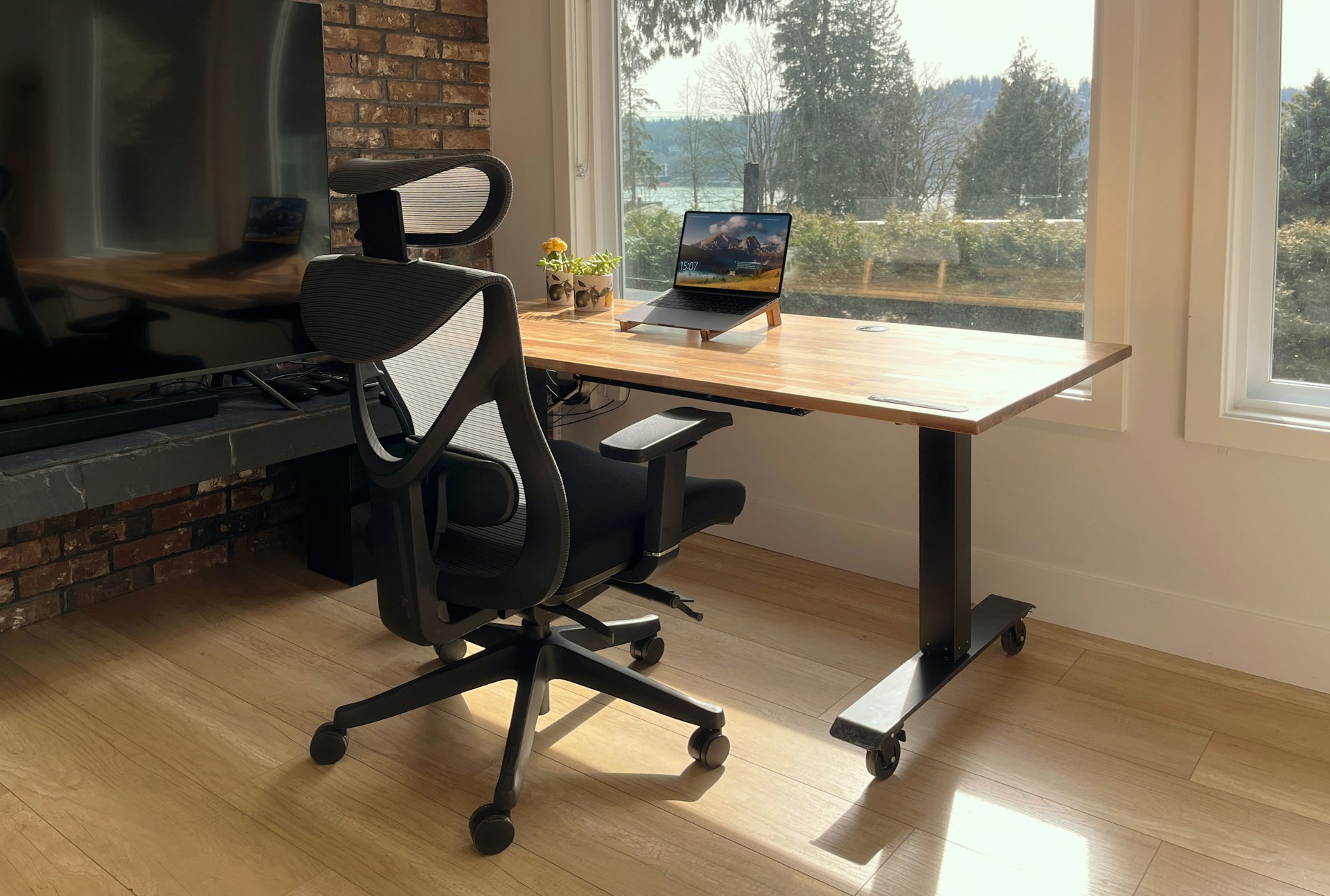
Spending eight or more hours daily in an office chair makes ergonomic design essential, not optional. Quality ergonomic chairs support natural spinal curves, reducing strain on your back, neck, and shoulders. Lumbar support stands as the most critical feature—look for adjustable lumbar mechanisms that allow you to position support precisely at your lower back curve. Chairs with dynamic lumbar support that moves with you provide superior comfort during extended sitting.
Seat depth adjustment accommodates different body types and sitting preferences. Proper seat depth allows 2-3 inches of space between the seat edge and the back of your knees, promoting healthy circulation. Seat height adjustment should enable your feet to rest flat on the floor with thighs parallel to the ground. Armrests should support your forearms without forcing your shoulders upward or causing you to lean to one side.
Material selection impacts both comfort and longevity. Mesh backs promote airflow, preventing heat buildup during long work sessions. High-density foam cushions maintain their shape better than standard foam, though they require a brief break-in period. Consider chairs with synchronized tilt mechanisms that maintain proper back support as you recline. Test chairs for at least 15 minutes before purchasing, adjusting all features to evaluate true comfort and support.