
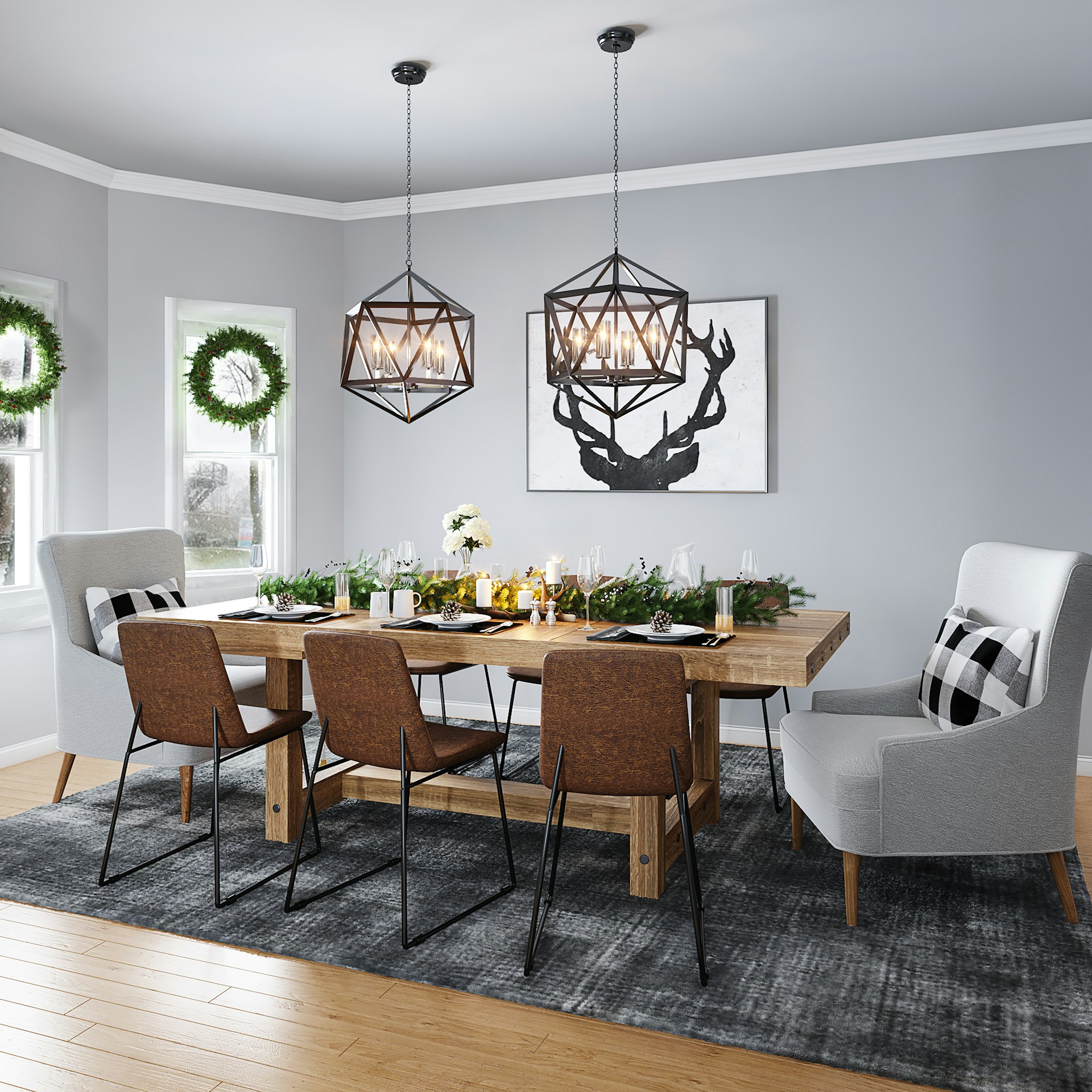
The material you choose for your dining table affects everything from maintenance requirements to visual impact. Solid wood remains the most popular choice, offering warmth and character that improves with age. Oak provides exceptional durability with prominent grain patterns, while walnut delivers rich, dark tones perfect for formal settings. Maple offers a lighter, contemporary aesthetic with excellent resistance to scratches and dents.
Glass tabletops create an illusion of space in smaller dining areas and pair beautifully with modern interiors. Tempered glass provides safety and durability, though it requires frequent cleaning to maintain its pristine appearance. Fingerprints and water spots show readily on glass surfaces, making them less ideal for households with young children. Consider frosted or tinted glass options to minimize visible smudges.
Marble and stone surfaces bring luxury and permanence to dining spaces. Natural stone develops a patina over time, adding character to your table. However, marble is porous and susceptible to staining from acidic foods and beverages. Sealing marble regularly helps protect against damage, but expect some etching over years of use. Engineered stone alternatives like quartz offer similar aesthetics with superior stain resistance and lower maintenance requirements.